Eating healthy as a teen is an integral part to a healthy adulthood.
Monday, November 28, 2011
Healthy Eating Teens
Daily Caloric Intake
Daily caloric intake is decided by many different variables.
Activity is one of the more important ones - a person who plays a sport will have different caloric needs than someone who doesn't. Gender also is important. Females generally require less calories than males.
Heritage contributes some factors, as well. Metabolism, or how one converts food into energy, is a big factor in determining caloric intake. Someone with a good metabolism can eat a lot more calories and stay within a good BMI than someone with a bad metabolism.
Age is the last key factor in deciding caloric intake. A thirteen year old going through puberty will require more calories than a sixteen year old who has finished puberty, since the thirteen year old is still growing.
These are the main variables that define daily caloric intake. Most nutrition labels on processed food will base their calculation on a 2000 calorie diet, which is about average for an adult. However, a pubescent boy who is very active will require a lot more than 2000 calories.
You should determine your own requirements for daily caloric intake. This will allow you to correctly plan out what nutrients you will need and how much of them you should have. Calculating your caloric intake is one of the first steps in eating healthy.
Macronutrients
There are three main types of macronutrients, protein, fat, and carbohydrates. All of these different types of foods do different things for the human body and are all important to daily life.
Carbohydrates are made up of different sugars and is usually the majority of your daily meals, taking 60% to 70% of your daily nutrition. They are mostly important as they supply the majority of your energy, when not used they will turn into fats to be stored energy. There are two main types of carbohydrate, simple and complex. Examples of simple carbohydrates are fructose and glucose which are found in candy bars full of sugars, these carbs supply short term energy and run out quicker. An example of a complex carbohydrate are different starches, these include pasta, brown rice, and potatoes. Complex carbohydrates supply better sugars to be broken down in the body and sent to different parts to be used for energy. Some examples of carbohydrates include bread, mash potatoes, and rice.

Proteins are made up of amino acids and provide several actions in the body such as rebuilding muscle or providing the protein needed for cell movement. Protein is a small portion of your everyday diet but is till important, being roughly 10% to 15% of your daily diet. The amount of protein you take depends on the amount of activity you are involved in, requiring a little bit more protein if you are engaged in a physical activity such as baseball or weightlifting. Good examples of protein include fish, eggs, nuts, and beans.

Fats are composed of fatty acids and also provide several abilities for the body. Two of these are storing energy to be used later on and making of the cell wall. Saturated fats are the kinds you want to stay away from, as these are usually processed and are not healthy for the body at all. Saturated fats include chocolate, butter, and lard. Unsaturated fats are healthier and are required for a good body. Some examples of unsaturated fats are avocados, fish, and vegetable oils. Essential Fatty Acids are composed of Omega 3, Omega 6, and Omega 9. These fatty acids are excellent in your daily diet and can prevent many illness. Your daily meals should not consist of more than 30% fats, with only 10% of those being saturated fats.
(Logan)
Carbohydrates are made up of different sugars and is usually the majority of your daily meals, taking 60% to 70% of your daily nutrition. They are mostly important as they supply the majority of your energy, when not used they will turn into fats to be stored energy. There are two main types of carbohydrate, simple and complex. Examples of simple carbohydrates are fructose and glucose which are found in candy bars full of sugars, these carbs supply short term energy and run out quicker. An example of a complex carbohydrate are different starches, these include pasta, brown rice, and potatoes. Complex carbohydrates supply better sugars to be broken down in the body and sent to different parts to be used for energy. Some examples of carbohydrates include bread, mash potatoes, and rice.

Proteins are made up of amino acids and provide several actions in the body such as rebuilding muscle or providing the protein needed for cell movement. Protein is a small portion of your everyday diet but is till important, being roughly 10% to 15% of your daily diet. The amount of protein you take depends on the amount of activity you are involved in, requiring a little bit more protein if you are engaged in a physical activity such as baseball or weightlifting. Good examples of protein include fish, eggs, nuts, and beans.

Fats are composed of fatty acids and also provide several abilities for the body. Two of these are storing energy to be used later on and making of the cell wall. Saturated fats are the kinds you want to stay away from, as these are usually processed and are not healthy for the body at all. Saturated fats include chocolate, butter, and lard. Unsaturated fats are healthier and are required for a good body. Some examples of unsaturated fats are avocados, fish, and vegetable oils. Essential Fatty Acids are composed of Omega 3, Omega 6, and Omega 9. These fatty acids are excellent in your daily diet and can prevent many illness. Your daily meals should not consist of more than 30% fats, with only 10% of those being saturated fats.
(Logan)
Avoided Foods
While foods are good are nearly always good and should be put in your mouth, there are various foods that should be avoided and steered away from.
One of the things that we all say we know is "stay away from fast foods," yet these large chain stores are still some of the highest and most visited places in the nation. MSG is just one of the things large stores like this are known for. Monosodium Glutamate is a type of amino acid with one sodium attached on. These are store used and provide more glutamate to the body. While you may think this is good (having more protein) it is bad as excess amounts of glutamate are very bad for the body.
http://www.msgtruth.org/avoid.htm
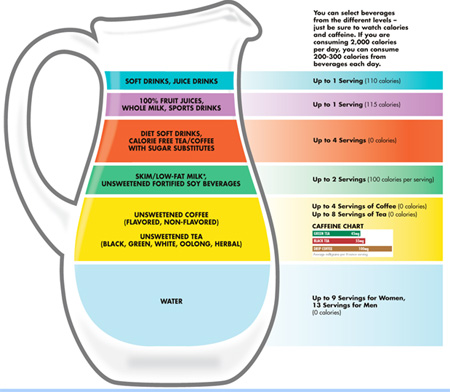
Another type of food you should avoid are ones with high amounts of sodium or sugar. Both of these are good in small amounts, but when you have a large amount they can lead to illnesses such as Diabetes or Heart Failure. Examples of foods high in sodium or sugar include but are not limited to sodas, some juices, french fries, and pretzels. All of these foods are things you could find anywhere and thus are easily obtainable.
http://commonsensehealth.com/Healthy-Living/Unhealthy_Food_to_Avoid_Foods_NOT_to_Eat.shtml

While to the average person grain is very good for you, some grain products are not all that they live up to. Whole grains, in wheat breads and brown rice, are good for you. However the other types of grains, included in pastries and some cereals, could provide a large amount of problem to your body. These could lead to several illnesses such as stroke, diabetes, and heart disease.
http://www.heart.org/HEARTORG/GettingHealthy/FatsAndOils/Fats101/Saturated-Fats_UCM_301110_Article.jsp#
Foods high in saturated fats, such as chocolates and fatty cuts of meat, are also extremely unhealthy for you. Unlike nonsaturated fats these do not provide nearly as much nutrition for your body while also being extremely leading towards diseases and illnesses listed previously. Saturated fats also lead to high amounts of cholesterol, which lead to heart disease and stroke. To avoid these types of food you should look at the nutrition table on the back and check to make sure it has unsaturated fats instead of saturated.
(Logan)
One of the things that we all say we know is "stay away from fast foods," yet these large chain stores are still some of the highest and most visited places in the nation. MSG is just one of the things large stores like this are known for. Monosodium Glutamate is a type of amino acid with one sodium attached on. These are store used and provide more glutamate to the body. While you may think this is good (having more protein) it is bad as excess amounts of glutamate are very bad for the body.http://www.msgtruth.org/avoid.htm
Another type of food you should avoid are ones with high amounts of sodium or sugar. Both of these are good in small amounts, but when you have a large amount they can lead to illnesses such as Diabetes or Heart Failure. Examples of foods high in sodium or sugar include but are not limited to sodas, some juices, french fries, and pretzels. All of these foods are things you could find anywhere and thus are easily obtainable.http://commonsensehealth.com/Healthy-Living/Unhealthy_Food_to_Avoid_Foods_NOT_to_Eat.shtml

While to the average person grain is very good for you, some grain products are not all that they live up to. Whole grains, in wheat breads and brown rice, are good for you. However the other types of grains, included in pastries and some cereals, could provide a large amount of problem to your body. These could lead to several illnesses such as stroke, diabetes, and heart disease.
http://www.heart.org/HEARTORG/GettingHealthy/FatsAndOils/Fats101/Saturated-Fats_UCM_301110_Article.jsp#
Foods high in saturated fats, such as chocolates and fatty cuts of meat, are also extremely unhealthy for you. Unlike nonsaturated fats these do not provide nearly as much nutrition for your body while also being extremely leading towards diseases and illnesses listed previously. Saturated fats also lead to high amounts of cholesterol, which lead to heart disease and stroke. To avoid these types of food you should look at the nutrition table on the back and check to make sure it has unsaturated fats instead of saturated.
(Logan)
Three Day Meal Plan
Breakfast: Oatmeal with grapes and a banana
Snack: Light Yogurt Cup
Lunch: Salad w/ Chicken and a water
Snack: Almonds and apples
Dinner: Brown Rice, Side salad, and chicken
Snack: Light Yogurt Cup
Lunch: Salad w/ Chicken and a water
Snack: Almonds and apples
Dinner: Brown Rice, Side salad, and chicken
Day 2
Breakfast: Fruit parfait (yogurt, bananas, blueberries ect...)
Snack: Apples with peanut butter
Lunch: Trail Mix (Almonds, Dried grapes and cranberries)
Snack: Granola Bar
Dinner: Wheat pasta with meat sauce and a side of broccoli
Day 3
Breakfast: Cereal with a side of wheat toast and jelly
Snack: All natural fruit smoothie
Lunch: Beef stew and brown rice
Snack: Dried fruit (Bananas, Strawberries, Mangos)
Dinner: Salmon with rice and a side of carrots
(Water drank throughout the entire day)
-Zack
Subscribe to:
Posts (Atom)